
Top Breast Augmentation Recovery Tips in Miami
Discover top breast augmentation recovery tips in Miami to speed up healing amid humidity. Safe post-op exercises, swelling management, drop and fluff timeline – recover faster now!
According to the American Society of Plastic Surgeons (ASPS), 98% of breast augmentation patients report results that meet or exceed expectations, with many feeling "back to normal" in about 25 days. This high satisfaction highlights why women in Miami turn to this procedure for a confident transformation. Yet, finding the right breast augmentation recovery tips Miami residents need—especially amid our humid climate—can feel daunting.
Initial healing typically spans 4-6 weeks, with full settling in 3-6 months. Miami's heat and humidity often prolong swelling, but proven strategies like proper support and light movement make a real difference. Understanding what to expect at each stage helps you prepare mentally and physically for the journey ahead.
Here's what you'll find in this guide:
- A week-by-week recovery timeline designed for South Florida's unique climate.
- Safe post breast augmentation exercises that promote circulation without putting your results at risk.
- Practical ways to speed up breast augmentation recovery through nutrition, rest, and smart habits.
- Tips for managing breast augmentation swelling Miami patients often experience in humid conditions.
- Warning signs to watch for, plus your personalized investment options.
These insights, drawn from board-certified protocols, empower your journey toward lasting, natural contours. Whether you're planning your procedure or already in recovery, this guide gives you the tools for success.
Breast Augmentation Recovery Tips Miami: Understanding Your Timeline
Breast augmentation recovery unfolds in distinct phases.
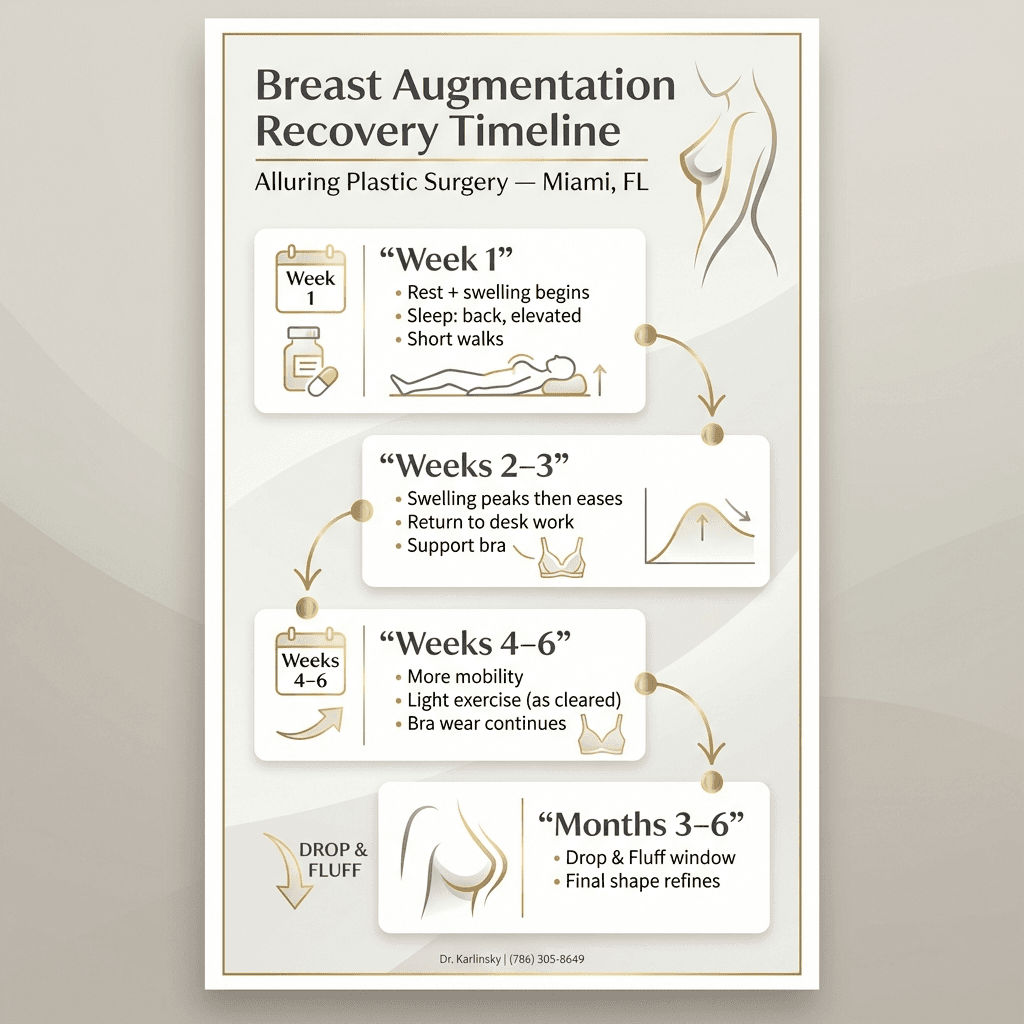
It starts with the first week of rest and peaks as implants undergo breast implant drop and fluff over several months. Knowing what to expect at each stage helps you plan your schedule and manage expectations.
Most patients manage moderate discomfort, averaging 5.9 on a 10-point pain scale, and return to desk work in about seven days, per ASPS data. Swelling and tightness peak early, then gradually subside. This allows daily activities to resume progressively as your body heals.
The First Week: Rest and Recovery
The initial days after surgery require the most rest. You'll experience swelling, bruising, and soreness around your incisions. Pain medication prescribed by your surgeon helps manage discomfort during this critical period.
Your implants will sit higher on your chest initially—this is completely normal. Sleeping in an elevated position reduces swelling and makes breathing easier. Avoid any lifting, reaching, or strenuous movements during this time.
Weeks Two and Three: Gradual Improvement
Pain eases significantly by weeks 2-3 as your body adjusts. Incisions typically heal enough for showering, though you should still avoid submerging them in water. Many patients feel well enough to return to light activities and desk work.
You may notice your implants beginning to shift slightly. This is the start of the settling process. Continue wearing your surgical bra and attending follow-up appointments as scheduled.
Weeks Four Through Six: Increased Mobility
By weeks 4-6, many patients notice improved mobility and reduced swelling. Your energy levels return, and daily tasks become easier. However, you should still avoid high-impact activities and heavy lifting.
Full drop and fluff—where implants descend for a softer, fuller look—takes 2-4 months. This process varies by individual and depends on factors like implant placement. Board-certified surgeons monitor progress at follow-ups to adjust care as needed.
Three to Six Months: Final Results
The final shape of your augmentation emerges between three and six months. Patience during this period leads to the high satisfaction rates seen in studies. Your implants will feel more natural, and any residual swelling will resolve completely.
Individual factors like implant placement (under or over muscle) influence your recovery pace. Trust the process and maintain communication with your surgical team throughout.
Top Breast Augmentation Recovery Tips Miami Patients Should Follow
Consistent habits accelerate healing while minimizing setbacks. Following these proven strategies helps you recover faster and achieve optimal results. Each tip plays an important role in your overall healing journey.
Wear Your Surgical Support Bra
Wear a surgical support bra 24/7 for the first 4-6 weeks
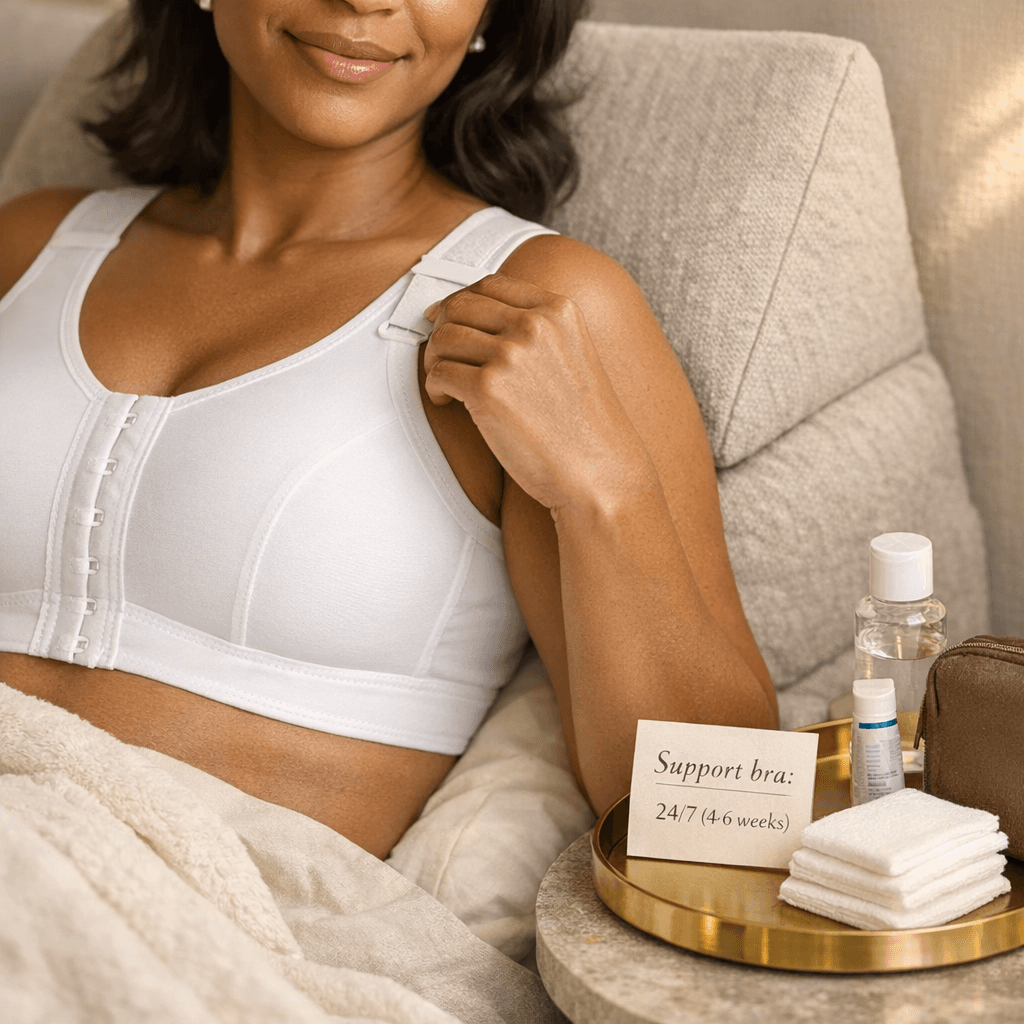
to stabilize implants and reduce swelling. This specialized garment provides compression that supports your healing tissues. It also helps your implants settle into their proper position.
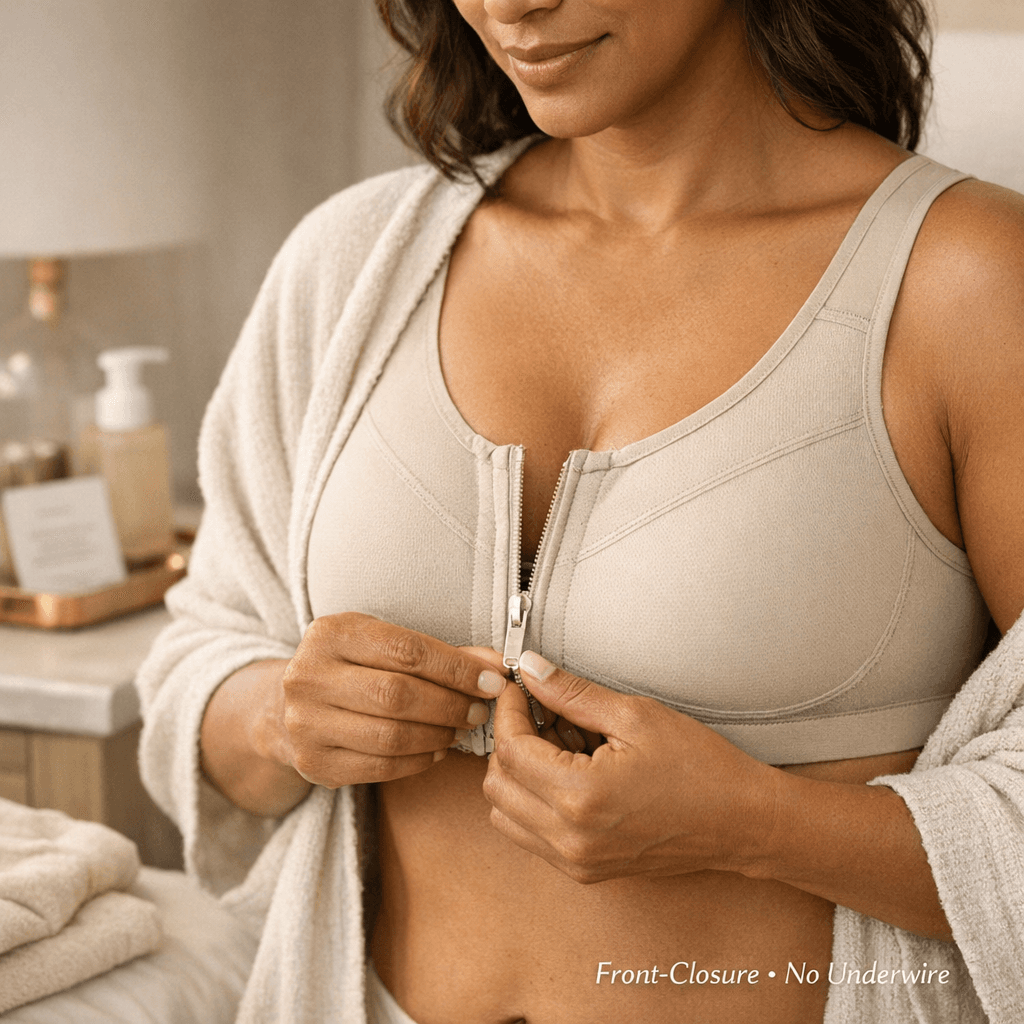
Don't switch to regular bras too early, even if you feel better. The consistent support makes a significant difference in your final results. Your surgeon will let you know when it's safe to transition to regular undergarments.
Optimize Your Sleep Position
Elevate your upper body during sleep with pillows to promote drainage and ease breathing. Sleeping at a 30-45 degree angle reduces fluid accumulation around your chest. This position also minimizes pressure on your healing incisions.
Many patients find a recliner or wedge pillow helpful during the first few weeks. Avoid sleeping on your stomach or sides until your surgeon clears you. Proper sleep positioning speeds recovery and improves comfort.
Focus on Nutrition and Hydration
Prioritize hydration—at least 2 liters daily—and nutrient-rich foods like lean proteins, fruits, and vegetables to fuel tissue repair. Your body needs extra resources to heal properly after surgery. Good nutrition directly impacts how quickly you recover.
Avoid nicotine and alcohol, as they constrict blood vessels and delay recovery. Nicotine in particular can compromise blood flow to healing tissues. Even secondhand smoke can negatively affect your results.
Start Gentle Movement Early
Gentle daily walks starting day one boost circulation without strain. Short walks around your home prevent blood clots and promote healing. Keep these walks brief—just 5-10 minutes several times daily is enough initially.
Follow your surgeon's massage instructions around week 2 to aid drop and fluff. These gentle techniques help implants settle into their natural position. Rest remains key throughout; limit arm-raising above shoulders initially.
These steps align with protocols that help 92% of patients report improved self-esteem post-recovery.
Quick Recovery Checklist
Use compression garments for constant support—they significantly cut swelling time and keep implants stable during healing.
Focus on protein-rich foods to aid collagen production. Anti-inflammatory options like berries and leafy greens help combat bruising and swelling naturally.
Maintain sleep elevation to reduce fluid buildup overnight. This simple step makes mornings more comfortable and speeds overall recovery.
Stay hydrated to counter dehydration from Miami's heat. Proper fluid intake supports every aspect of your healing process.
Track progress with photos for motivation. Consult Dr. Karlinsky for tailored advice matching your goals.
Safe Post Breast Augmentation Exercises: Week-by-Week Timeline
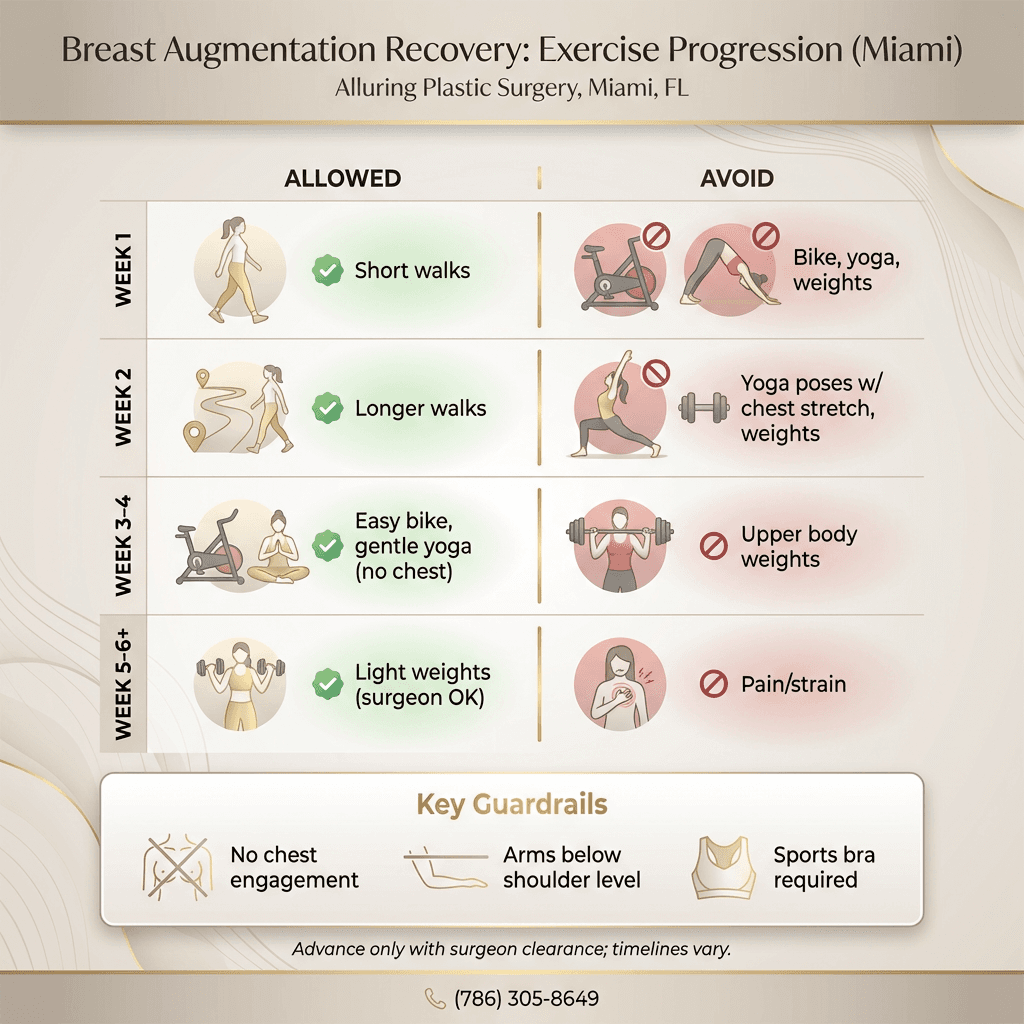
Movement prevents stiffness but must prioritize implant stability. Always secure surgeon clearance before advancing, as timelines vary based on your specific procedure. A supportive sports bra is essential for all activity to minimize shifting.
Understanding which exercises are safe—and when—protects your investment and ensures optimal results. Pushing too hard too soon can displace implants or cause complications. Following this timeline helps you stay active while healing properly.
Week 1: Gentle Walking Only
Short, frequent strolls around the house promote blood flow and reduce clot risk. Aim for 5-10 minute walks several times daily. Keep your pace slow and comfortable—this isn't exercise for fitness, it's movement for healing.
Avoid any stretching, lifting, or arm movements during this first week. Your chest muscles need complete rest to begin healing. Even reaching for items on high shelves can strain your incisions.
Weeks 2-3: Introduce Low-Impact Cardio
Brisk walking, stationary biking, or elliptical for 10-20 minutes daily becomes appropriate. These activities increase circulation without jarring your chest. Start with shorter sessions and gradually increase duration as you feel comfortable.
Add light arm circles if pain-free, keeping motions below shoulder level. No chest engagement is allowed during this phase. Listen to your body—if something causes discomfort, stop immediately.
Weeks 4-6: Low-Impact Expansion
Progress to yoga (avoiding chest poses), Pilates for core and lower body, or light jogging. These activities help you regain fitness without compromising your results. Focus on exercises that don't engage your pectoral muscles.
Upper body strength training remains off-limits during this phase. Focus on legs and glutes if you want to maintain muscle tone. Your patience now pays off with better long-term results.
Week 6 and Beyond: Full Routine With Caution
Resume running, weights, and chest exercises like push-ups only after approval, typically around 8 weeks. Heavy lifting waits even longer—sometimes 10-12 weeks depending on your healing. Your surgeon will assess your progress before clearing you.
These guidelines support faster settling during drop and fluff. Learn more in our week-by-week recovery guide. Overdoing it risks displacement, so always listen to your body and follow your surgeon's specific instructions.
Managing Breast Augmentation Swelling in Miami's Humid Climate
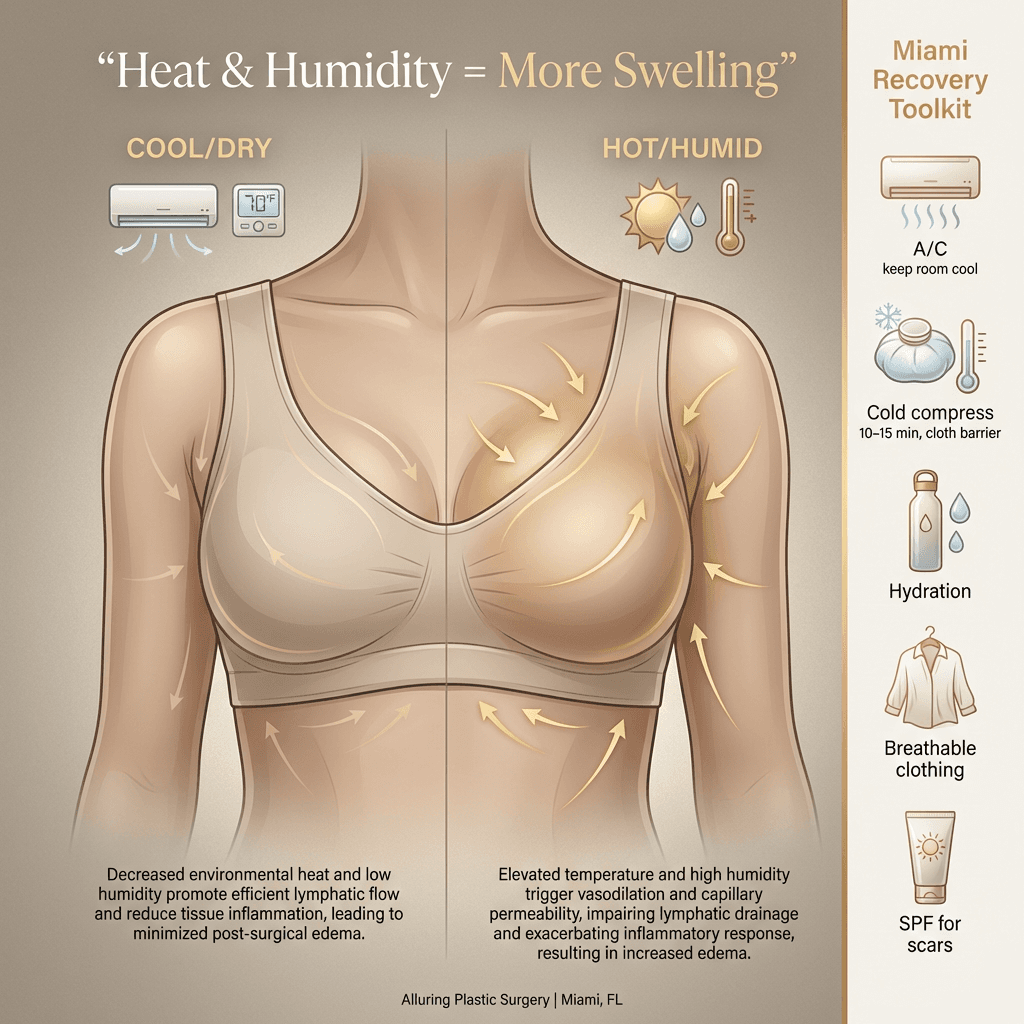
Miami's year-round warmth and high humidity can intensify breast augmentation swelling Miami patients face, as heat promotes fluid retention. Living in South Florida means taking extra precautions that patients in cooler climates might not need. Understanding how our climate affects recovery helps you plan accordingly.
Stay Cool and Comfortable
Stay indoors with air conditioning to maintain cool, dry environments whenever possible. Heat causes blood vessels to dilate, which increases swelling. Your home should be your recovery sanctuary during the first few weeks.
Cold compresses for 15-20 minutes hourly in the first 48 hours constrict vessels effectively. Wrap ice packs in thin cloth to protect your skin. Alternate between compression and rest for the best results.
Choose the Right Clothing
Breathable cotton clothing wicks sweat, preventing irritation on incisions. Loose-fitting tops that button or zip in front are easiest to put on and take off. Avoid anything that requires pulling over your head during early recovery.
High SPF 50+ sunscreen protects emerging scars from darkening under intense sun—cover up outdoors. UV exposure can permanently darken scars, especially during the healing phase. Wide-brimmed hats and lightweight cover-ups offer additional protection.
Hydration Is Essential
Extra hydration offsets humidity's dehydrating effect on your body. Miami's heat makes you lose fluids faster, even when you're resting indoors. Aim for more than the standard 2 liters daily during your recovery period.
Keep water within reach at all times. Coconut water and electrolyte drinks can help replace minerals lost through sweating. Proper hydration supports every aspect of your healing process.
Activities to Avoid
Limit saunas, hot showers, or beach days for 6 weeks minimum. Heat exposure from any source can increase swelling and slow your recovery. Even a warm shower can cause temporary swelling during early healing.
These adaptations help swelling resolve faster than average. Pair with our breast augmentation scars tips for optimal healing in Miami's tropical climate.
Warning Signs of Complications and When to Call Your Surgeon
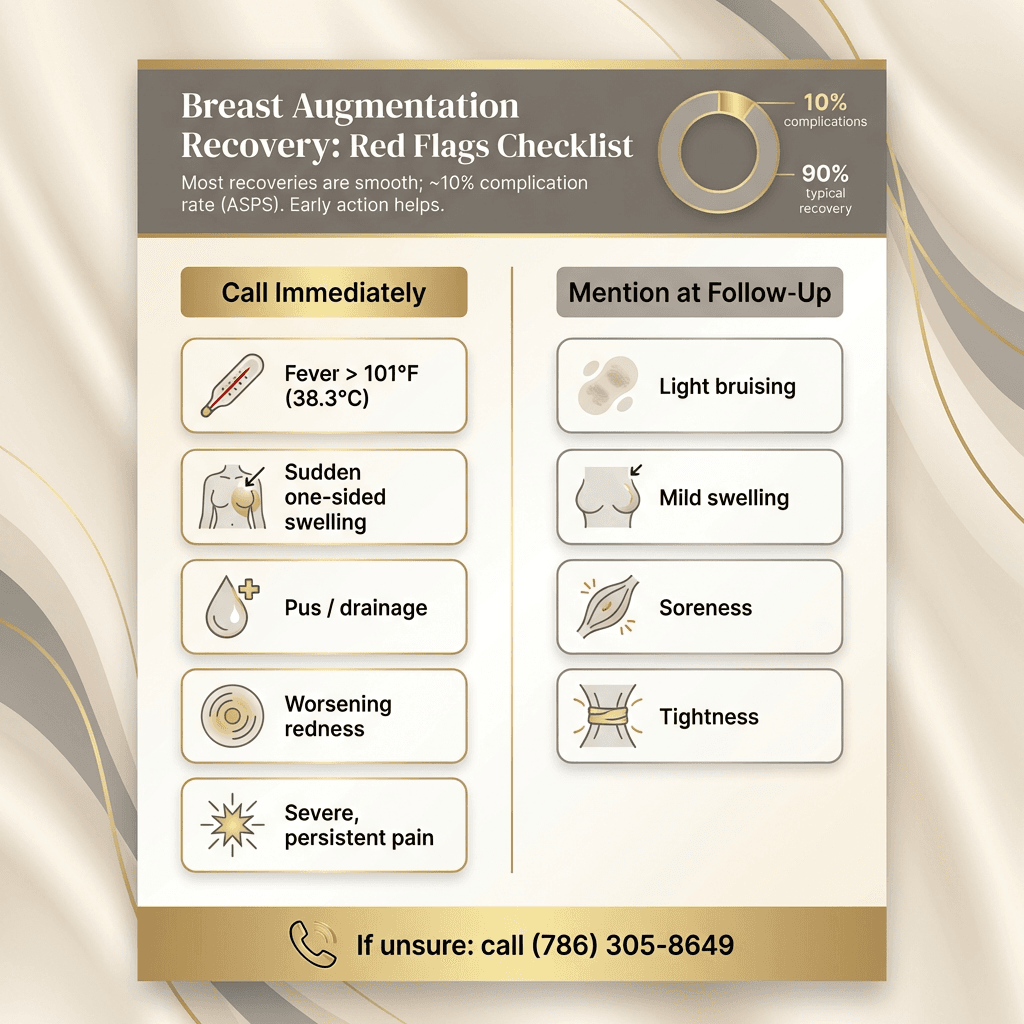
Recovery is smooth for most patients, with a 10% complication rate per ASPS studies. Knowing what's normal versus concerning helps you respond appropriately. Most issues resolve quickly when caught early.
Signs of Infection
Monitor for fever over 101°F, pus or unusual discharge from incisions, and increasing redness around surgical sites. Warmth or red streaking around incisions can also indicate infection. These symptoms require immediate medical attention.
Some redness and warmth are normal in the first few days. However, symptoms that worsen rather than improve warrant a call to your surgeon. Early treatment of infection prevents more serious complications.
Hematoma Warning Signs
Watch for sudden swelling or pain on one side, which could indicate hematoma. A hematoma is a collection of blood that forms under the skin. It typically causes asymmetry and significant discomfort.
This complication usually occurs within the first 24-48 hours after surgery. If you notice one breast suddenly becoming much larger or more painful, contact your surgeon immediately.
Implant Concerns
Asymmetry that doesn't improve over time or severe, persistent pain may indicate implant issues. Some initial asymmetry is normal as implants settle at different rates. However, significant differences that persist beyond a few weeks should be evaluated.
Persistent nipple numbness beyond several weeks affects few patients long-term. Most sensation changes resolve within 6-12 months. Report any concerns at your follow-up appointments.
The Importance of Follow-Up Care
Contact your surgeon immediately for any red flags you observe. Early intervention ensures quick resolution of most issues. At Alluring, our AAAASF-accredited facility prioritizes follow-ups to monitor your progress.
Regular check-ins track drop and fluff progress and catch any concerns early. Our commitment to patient care is reflected in the trust our patients place in us throughout their recovery journey.
Your Investment in Breast Augmentation Transformation
Every breast augmentation plan is unique, so pricing reflects implant type, placement, and any combinations like lifts. Understanding the factors that influence cost helps you plan for your procedure. Your consultation provides a personalized quote based on your specific goals.
Factors That Influence Pricing
Surgical time, typically 1-2 hours, and anesthesia needs affect your total cost. The type of implants you choose—saline versus silicone, round versus shaped—also plays a role. Additional procedures like breast lifts add to the overall investment.
Your surgeon's experience and facility accreditation matter for both safety and results. Board-certified surgeons in accredited facilities may cost more but provide peace of mind. Quality care is an investment in yourself.
Flexible Financing Options
Your goals deserve accessibility. Alluring Plastic Surgery partners with trusted financing providers to make your transformation achievable. Multiple options allow you to choose what works best for your budget.
- Cherry – Plans starting at 0% APR, subject to approval. Quick application process with fast decisions.
- CareCredit – Promotional periods designed specifically for healthcare expenses. Widely accepted and trusted.
- United Credit – Customized solutions tailored to your financial situation.
Our team crafts budgets fitting your life. Explore financing details to learn more about your options. View all available choices at our breast augmentation page.
Frequently Asked Questions
What are the best exercises to help with breast augmentation recovery?
Light walking starts day one for circulation and blood clot prevention. Keep these initial walks short—just 5-10 minutes around your home several times daily. By weeks 2-3, low-impact cardio like stationary biking aids recovery without strain on your chest.
Always wear a supportive sports bra during any physical activity. Chest exercises must wait 6-8 weeks minimum, and only after surgeon approval. Discuss your specific timeline with Dr. Karlinsky, as individual factors affect when you can resume full activity.
How can I reduce swelling after breast augmentation?
Compression bras, elevation, and ice packs during the first 48 hours work best for initial swelling. Apply cold compresses for 15-20 minutes at a time, with breaks in between. Consistent compression throughout the day and night makes a significant difference.
Hydrate heavily and eat anti-inflammatory foods like berries, leafy greens, and fatty fish. In Miami, staying in air conditioning combats humidity that can worsen swelling. Following these protocols shortens peak swelling duration considerably.
What should I avoid doing during the first few weeks after breast augmentation?
Skip arm raises above shoulders, heavy lifting, or high-impact movements during early recovery. Even reaching for items on high shelves can strain your healing incisions. Ask family members or friends to help with tasks that require lifting or stretching.
No driving until you're off pain medications, typically 3-7 days post-surgery. Avoid sun exposure and heat to prevent prolonged swelling and scar darkening. Following these guidelines supports smooth drop and fluff and optimal final results.
How long does it take for breast implants to settle into place?
Breast implant drop and fluff spans 2-4 months, with noticeable changes beginning around weeks 4-6. During this time, implants gradually descend from their initially high position. The breast tissue also softens and relaxes around the implants.
Massage techniques, when recommended by your surgeon, can accelerate this process. Final shape emerges by 3-6 months for most patients. Patience during this period leads to the best long-term results.
What are the signs that my breast augmentation recovery is progressing well?
Decreasing pain by week 2, reduced swelling, and increasingly even symmetry signal good healing. You should feel noticeably better each week, with more energy and less discomfort. Being able to return to light work in about 7 days matches ASPS averages.
Energy returns as drop and fluff begins, and you'll notice your implants looking more natural. Regular follow-up appointments confirm your progress is on track. Don't hesitate to contact your surgeon with questions between appointments.
When can I resume running after breast augmentation?
Low-impact cardio like the elliptical or stationary bike starts around weeks 2-3. Running typically becomes appropriate around weeks 4-6, but only with your surgeon's approval. Start with shorter distances and slower paces than your pre-surgery routine.
Full-intensity running and high-impact activities usually wait until after 6 weeks. A supportive sports bra is mandatory for all exercise. Individual results vary based on your healing progress—schedule a check-in before increasing activity levels.
Your path to enhanced confidence through breast augmentation leads to transformative joy, as echoed by patients nationwide. With 98% satisfaction and benefits like boosted self-esteem for 92% of patients, this investment pays dividends in poise. In Miami's vibrant scene, optimal recovery means quicker return to beach walks and professional stride.
At Alluring Plastic Surgery, Dr. Victoria Karlinsky, double board-certified with 15+ years and 5,000+ patients served, guides you in our AAAASF-accredited facility at 8435 SW 24th St, Miami, FL 33155. Our 4.9 rating reflects personalized care.
Ready for breast augmentation recovery tips Miami tailored to you? Book your free consultation or call (786) 305-8649 today. Luxury results, designed for you.
Not Sure Which Procedure Is Right for You?
Take our free 2-minute quiz to get personalized recommendations based on your goals, lifestyle, and budget.
Take the QuizStart Your Journey Today
Leave your name and phone number. We'll call you within 24 hours to discuss your goals.
Or call us directly
+1 (786) 305-8649Related Articles
Continue reading with these related posts
When Can I Sleep Without a Bra After Breast Reduction?
Many patients wonder when they can sleep without a bra after Breast Reduction While many breast reduction patients can safely...

When Can I Sleep Without a Bra After Breast Augmentation?
Many patients wonder when they can sleep without a bra after Breast Augmentation This typically occurs six to eight weeks...
When Can I Sleep on My Side After Breast Augmentation?
One of the most common concerns after Breast Augmentation isn’t just about the implants — it’s about sleep. Patients often...

Breast Implants Drop and Fluff: Timeline & Tips
Learn when breast implants drop and fluff with our detailed recovery timeline. From initial swelling to full settling in 2-3 months. Speed up healing with massage, support bras & Miami humidity tips.
Breast Augmentation Pain Management: First Week Tips
Master breast augmentation pain management in the first week: meds, ice packs, wound care, complication signs, and Miami recovery tips. Ease pain and heal faster—discover how!
How Long After BBL Can I Sit?
Recovery after a Brazilian Butt Lift BBL requires special care when it comes to sitting. You’ve just invested in your...
Related Procedures
Explore the procedures discussed in this article

Breast Augmentation Miami
Achieve the fuller, more balanced look you desire with natural-looking breast enhancement. Silicone, saline, and fat transfer options with flexible financing.
Breast Lift Miami
Lift and reshape your breasts to restore a more youthful, perky appearance without implants using advanced mastopexy techniques.
Breast Reduction Miami
Reduce discomfort and achieve better proportions with breast reduction surgery that relieves chronic pain and enhances your quality of life.
More Breast Augmentation Articles

Breast Implant Size Guide: Perfect CC Chart
Discover the perfect breast implant size guide: CC charts, profiles, and tips for natural results. Learn sizing factors, popular sizes, and consultation advice for your ideal augmentation.
Breast Implants Drop and Fluff: Timeline & Tips
Learn when breast implants drop and fluff with our detailed recovery timeline. From initial swelling to full settling in 2-3 months. Speed up healing with massage, support bras & Miami humidity tips.

Breast Implant Illness: Symptoms, Risks & Prevention
Discover breast implant illness symptoms like fatigue, brain fog, and joint pain, plus risks such as capsular contracture and rupture. Learn expert tips to minimize breast augmentation complications.