
Breast Lift Myths Busted: Post-Pregnancy Truths
Debunk breast lift myths post-pregnancy: Not just for older women, scars fade with Miami tips, results last 10+ years. Discover truths, reclaim confidence—book free consult!
Breast Lift Myths Busted: Post-Pregnancy Truths
Debunk breast lift myths post-pregnancy: Not just for older women, scars fade with Miami tips, results last 10+ years. Discover truths, reclaim confidence—book free consult!
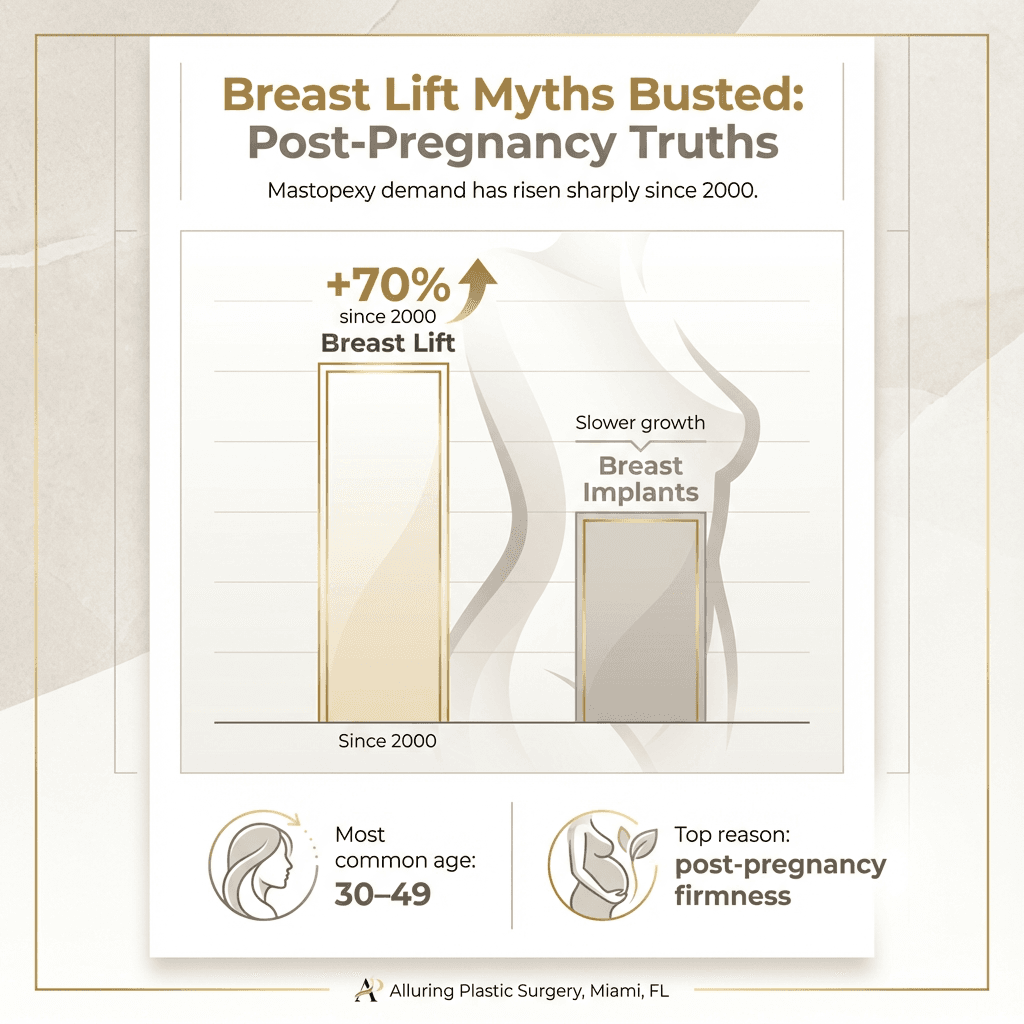
Since 2000, breast lift surgeries have surged by 70%, outpacing even breast implants.
More women are seeking to restore firmness after life's changes like pregnancy and breastfeeding. For South Florida moms dealing with breast lift myths, these misconceptions often delay the confidence-boosting transformation many desire. Post-pregnancy sagging affects countless women in their 30s and 40s, yet outdated ideas persist about age, scars, and results.
In this guide tailored for post-pregnancy mothers, you'll discover the truths behind seven common breast lift misconceptions—from confusing the procedure with augmentation to fears about breastfeeding. We'll cover candidacy, Miami-adapted recovery, and how a mastopexy (the medical term for breast lift) delivers personalized, long-lasting elevation. Plus, explore flexible financing to make your goals achievable.
Key Takeaways:
- Breast lifts work well for women in their 30s and 40s—not just older patients
- Modern techniques create discreet scars that fade significantly within 6-12 months
- Many women retain breastfeeding ability after mastopexy, depending on surgical technique
- Results typically last 10-15 years with proper care and stable weight
- Complication rates remain low at around 1.15% with board-certified surgeons
What Is a Breast Lift (Mastopexy)?
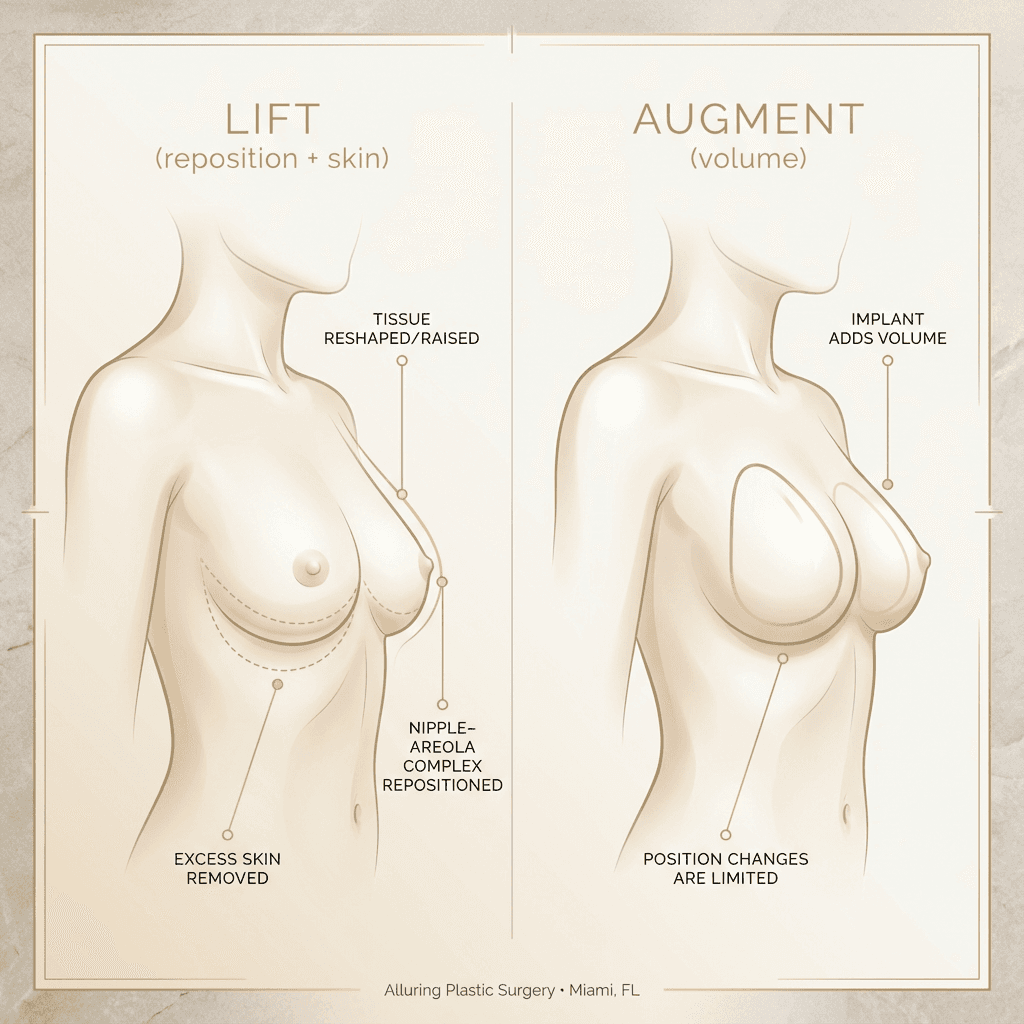
A breast lift, or mastopexy, reshapes and elevates sagging breasts by removing excess skin and repositioning tissue for a youthful contour. Unlike augmentation, it focuses on position rather than volume.
This procedure suits women with ptosis from pregnancy, weight fluctuations, or gravity's effects over time.
For post-pregnancy moms, mastopexy addresses stretched skin and lost elasticity after breastfeeding. The surgery is performed under general anesthesia and typically lasts 2-3 hours. According to StatPearls medical research, complications remain low at 1.15% for mastopexy alone, including minor issues like hematoma (0.65%) and infection (0.32%).
Patient satisfaction scores high on BREAST-Q assessments, affirming the procedure's reliability for mothers seeking restoration.
What Are the Most Common Breast Lift Myths?
Let's tackle the misconceptions that keep post-pregnancy women from exploring this transformative procedure. Understanding the facts helps you make an informed decision about your body.
Myth 1: Only Older Women Get Breast Lifts
Here's something I hear often from moms in their 30s: "Aren't I too young for this?" Not at all. Mastopexy is ideal for post-pregnancy women in their 30s and 40s because hormonal shifts and breastfeeding cause sagging regardless of age. The American Society of Plastic Surgeons reports that 40% of procedures go to ages 40-54, with 27% to women ages 30-39—prime timing for mommy makeovers.
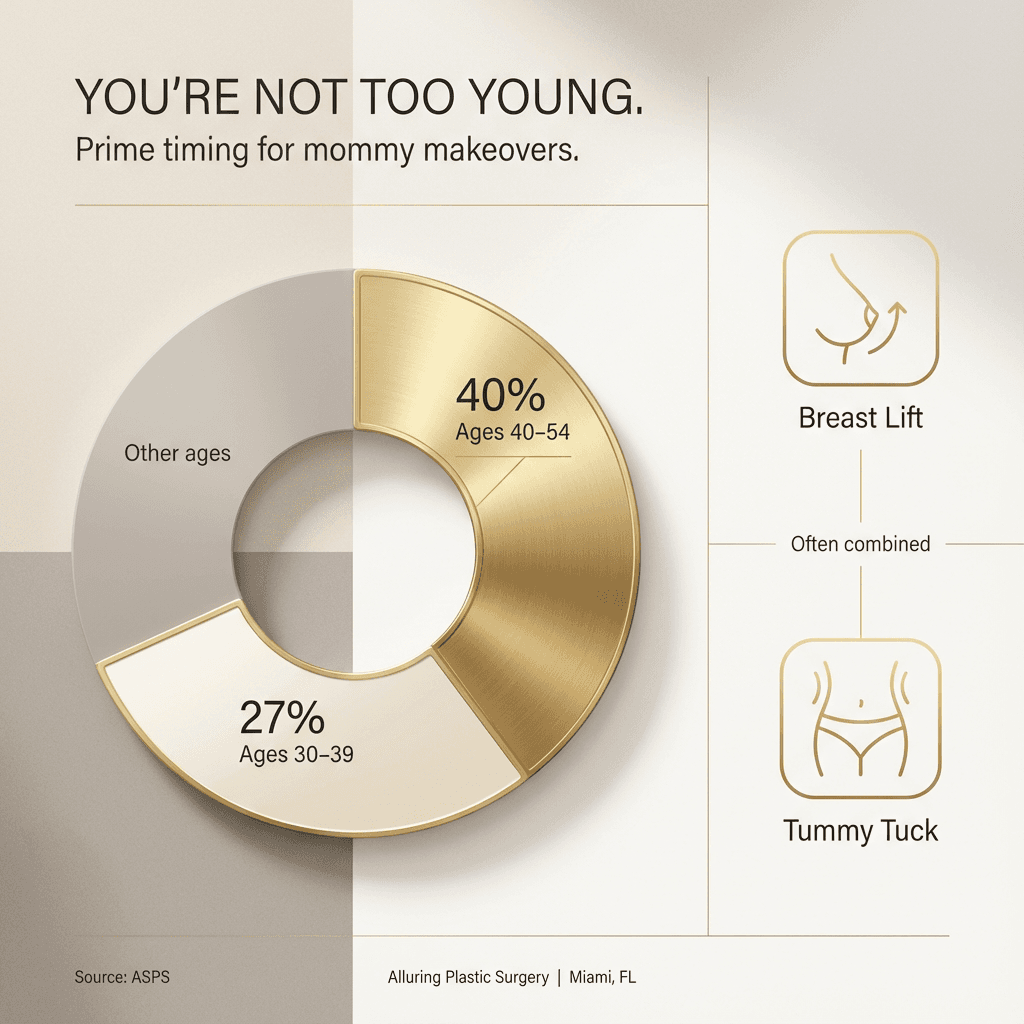
Many Miami moms combine a breast lift with tummy tucks for full restoration after having children. Your age isn't the deciding factor here. Skin laxity and your personal goals matter most when considering this procedure.
Myth 2: A Breast Lift and Breast Augmentation Are the Same Thing
These procedures serve different purposes, though they're often confused. Mastopexy repositions and firms your existing breast tissue, while augmentation adds implants for volume. They can pair beautifully for deflated post-pregnancy breasts when both lift and fullness are desired.
Think of it this way: a lift addresses where your breasts sit, while implants address how full they appear. Many mothers benefit from combining both procedures, especially after breastfeeding has left breasts feeling deflated and droopy.
See our guide on augmentation vs. lift procedures for a detailed comparison.
Myth 3: Breast Lift Scars Are Highly Visible
Scars worry many women considering this procedure, and that's completely understandable. But here's the reality: modern techniques place incisions along natural creases—around the areola and under the breast fold—where they're far less noticeable.
These scars fade significantly within 6-12 months with proper care. Using silicone sheets and SPF protection is especially important in Miami's sunny climate. The key is following your surgeon's aftercare instructions carefully.
In humid South Florida, opt for breathable garments during healing. Check our breast lift recovery guide for week-by-week tips on scar care and healing.
Myth 4: You'll Lose Significant Breast Size
This mastopexy myth assumes lifts dramatically shrink your breasts. The reality? They reshape for perkiness with minimal size loss from skin removal. Many women actually appear fuller after swelling subsides because the tissue is positioned higher and more forward.
If you want additional volume, implants can be added during the same procedure. Size typically stays comparable unless you specifically request a reduction. Post-pregnancy candidates often value this contour focus—getting lifted, perky breasts without sacrificing fullness.
Myth 5: Exercises or Creams Can Replace Surgery
Non-surgical hopes fuel this common misconception, but let's be honest about what's possible. Workouts tone your pectoral muscles underneath the breast tissue, but they can't lift sagging skin. Creams and serums lack any clinical evidence for meaningful lifting effects.
Only mastopexy can excise loose, stretched tissue and reposition your breasts effectively. Gravity and pregnancy create changes that require surgical repositioning to correct. That said, maintaining a healthy lifestyle complements your surgical results beautifully. Exercise and good skincare support your overall appearance—they just can't replace what surgery accomplishes.
Myth 6: How Long Do Breast Lift Results Really Last?
While no cosmetic procedure lasts forever, breast lift results are impressively durable. Most women enjoy their results for 10-15 years on average, though gravity, aging, and future pregnancies influence longevity. Maintaining stable weight and wearing supportive bras helps preserve your results longer.
Studies show high satisfaction rates over time on BREAST-Q assessments. If you're planning more children, you might consider waiting until after your last pregnancy. However, many women choose to proceed now and accept that a touch-up might be needed later—the years of confidence are worth it.
Myth 7: Breastfeeding Becomes Impossible After a Lift
This concern stops many young mothers from considering the procedure. The good news? Mayo Clinic research confirms that many women can preserve breastfeeding ability depending on surgical technique. When nipples stay connected via the pedicle, milk ducts and nerves remain intact.
Risks exist if nipples require extensive repositioning, but sensation typically remains normal for most patients. If future breastfeeding is important to you, discuss this with your surgeon during consultation. Techniques can be tailored to maximize your chances of nursing successfully.
Who Makes an Ideal Candidate for Breast Lift After Pregnancy?
Post-pregnancy mothers with moderate to significant sagging often see the best results from mastopexy. Ideal candidates have reached a stable weight and aren't planning future pregnancies in the near term. Realistic expectations about outcomes matter too—a lift restores youthful positioning but won't replicate your pre-pregnancy breasts exactly.
Non-smokers in good overall health qualify best for surgery. Smoking impairs healing and increases complication risks, so you'll need to quit well before your procedure date. Good skin elasticity helps achieve optimal results, though the surgery can still benefit women with less elastic skin.
Take our breast lift candidacy quiz to assess your fit for this procedure. During your consultation, Dr. Victoria Karlinsky evaluates Miami-specific factors like sun exposure and your individual anatomy.
Recovery and Aftercare: Tips for Miami Moms
Recovery feels manageable for most women, with normal activities resuming within 1-2 weeks. You'll wear a surgical bra for 4-6 weeks to support healing and maintain your new shape. Miami's humidity calls for cool environments, plenty of hydration, and careful UV protection on healing scars.
Apply SPF 50+ sunscreen to scars once they've closed, and avoid direct sun exposure for at least 6 months. The low complication rate (1.15%) supports smooth healing when you follow post-operative instructions carefully.
Here's what your timeline typically looks like:
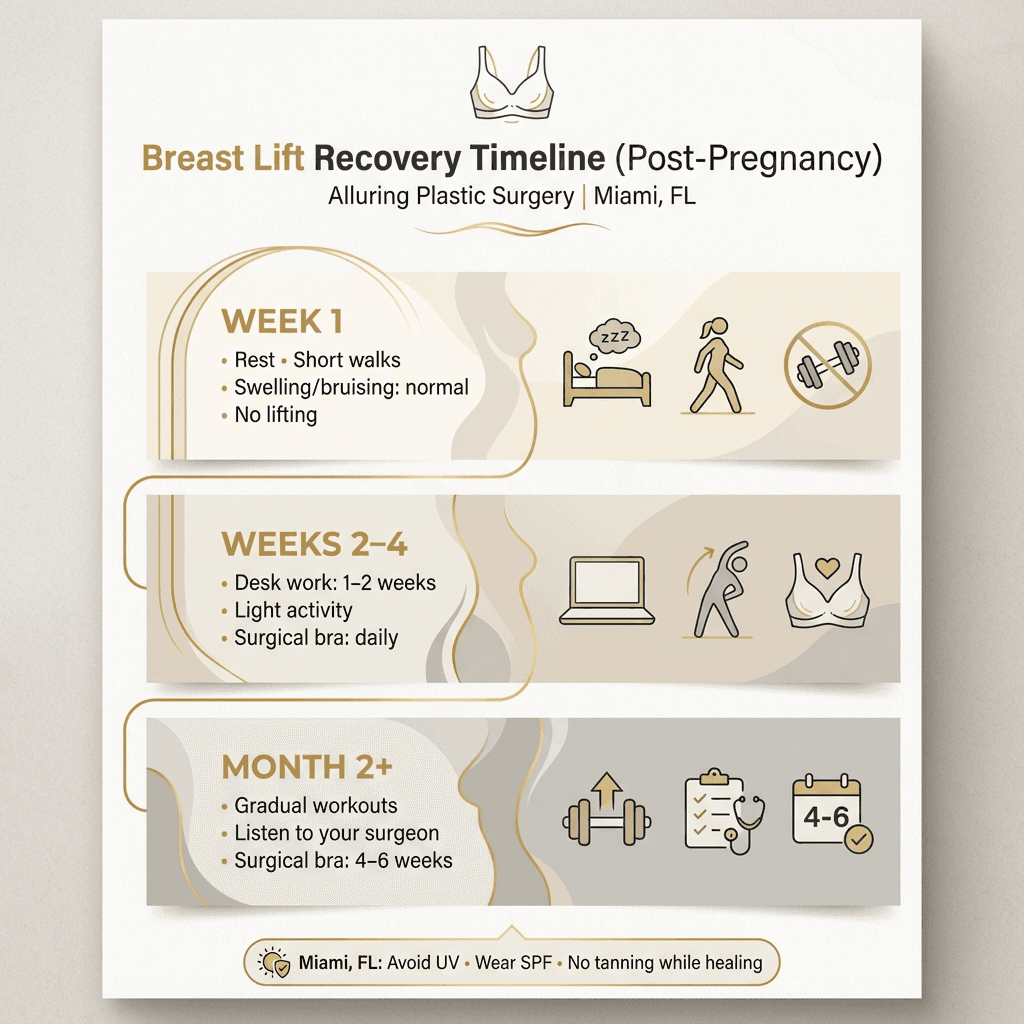
During the first week, focus on rest and take short walks around your home to promote circulation. By weeks two through four, most women return to desk work and light daily activities. After the second month, you can gradually reintroduce exercise, starting with low-impact activities before progressing to more intense workouts.
Planning childcare help during that first week makes a significant difference, especially for busy moms.
Your Investment in Post-Pregnancy Confidence
Pricing varies based on technique, degree of sagging, and whether you're combining procedures like a mommy makeover. Factors include incision type, anesthesia, and facility fees. Your consultation provides a detailed, personalized quote.
Flexible Financing Options
Your transformation deserves accessibility. Alluring Plastic Surgery partners with trusted financing providers:
- Cherry – Plans starting at 0% APR with credit approval
- CareCredit – Promotional periods designed for healthcare expenses
- United Credit – Tailored payment plans to fit your budget
Visit our financing options page to learn more about making your goals achievable.
Why Choose Alluring Plastic Surgery for Your Breast Lift

With over 5,000 patients served, 15+ years of experience, and 4.9-star ratings, our AAAASF-accredited facility delivers luxury care with exceptional results. Double board-certified Dr. Victoria Karlinsky specializes in breast procedures and understands the unique concerns of post-pregnancy mothers.
We offer bilingual support for our Latin American visitors and provide a comfortable, welcoming environment for your transformation journey.
Frequently Asked Questions
How long do breast lift results typically last?
Results often endure 10-15 years with stable weight and supportive bras, though gravity continues acting over time. Future pregnancy may prompt touch-ups for some women. Individual factors vary based on skin quality and lifestyle, so discuss your specific situation with Dr. Karlinsky during consultation.
Are there non-surgical alternatives to a breast lift?
No true substitutes exist for removing excess skin. Exercises and creams won't lift sagging tissue significantly. Thread lifts or laser treatments offer minor tightening for very mild cases, but surgery provides the only enduring elevation for moderate to significant ptosis.
What are the most common complications after a breast lift?
Hematoma (0.65%) and infection (0.32%) top the list, but the overall complication rate stays low at 1.15%. Board-certified care minimizes these risks significantly. Following your post-operative instructions carefully supports smooth, uncomplicated healing.
How does a breast lift differ from a breast reduction?
Lifts elevate and reshape without major size reduction, while reductions remove substantial tissue for smaller breasts. Both procedures suit post-pregnancy goals depending on your concerns. See our comparison of lift vs. reduction procedures for more details.
Can a breast lift be combined with other procedures?
Yes, and this is common for post-pregnancy mothers. Many women combine lifts with augmentation or tummy tucks in comprehensive mommy makeovers. Combining procedures is safe when planned by experienced surgeons and can reduce overall recovery time compared to staging surgeries separately.
How long do scars from a breast lift take to fade?
Most scars show significant improvement within 6-12 months, with continued fading over time. Silicone sheets, sun avoidance, and proper wound care accelerate this process. Modern incision placements along natural creases help scars blend discreetly.
Post-pregnancy mothers deserve breasts that match their vibrant lives. Debunking these breast lift myths reveals mastopexy as a safe, transformative investment with low risks and high satisfaction rates. At Alluring Plastic Surgery, Dr. Victoria Karlinsky—double board-certified with 15+ years of experience—guides your journey in our AAAASF-accredited Miami facility located at 8435 SW 24th St, Miami, FL 33155.
Ready to learn what's possible for you? Schedule your free consultation today at our Miami consultation page or call (786) 305-8649. Luxury results, designed for you.
Start Your Journey Today
Leave your name and phone number. We'll call you within 24 hours to discuss your goals.
Or call us directly
+1 (786) 305-8649Related Articles
Continue reading with these related posts

Breast Lift Miami: Restore Firmness Post-Pregnancy
Restore breast firmness post-pregnancy with breast lift Miami. Learn mastopexy procedure details, humid Miami recovery tips, Dr. Karlinsky's expertise. Beach-ready results await!
How Long After Mommy Makeover Can I Drive?
Recovering from your Mommy Makeover requires patience, especially when it comes to resuming daily activities like driving. Most...

Breast Lift vs Breast Reduction: Post-Pregnancy Miami Guide
Explore breast lift vs breast reduction for post-pregnancy Miami moms. Discover key differences, humid recovery tips, costs, candidates & FAQs. Relieve pain, fight sagging!