
Breast Implant Illness: Symptoms, Risks & Prevention
Discover breast implant illness symptoms like fatigue, brain fog, and joint pain, plus risks such as capsular contracture and rupture. Learn expert tips to minimize breast augmentation complications.
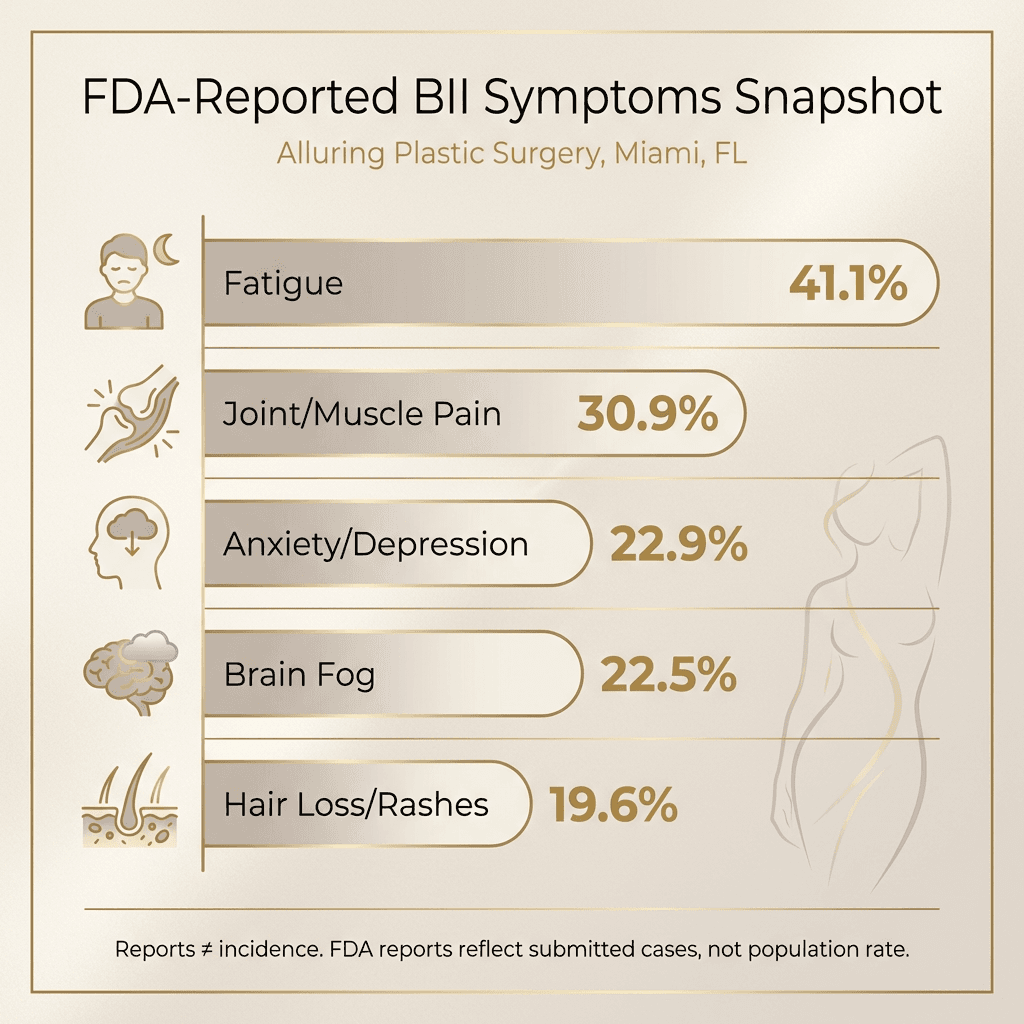
According to the FDA, fatigue tops the list of symptoms in 41.1% of medical device reports linked to breast implant illness (BII). This constellation of systemic issues affects some women after breast augmentation, according to FDA systemic symptom reports. This emerging concern has sparked widespread discussion, as thousands report debilitating effects years after surgery. While not a formally recognized diagnosis, understanding BII helps those pursuing breast enhancement make informed choices about their transformation.
Key Takeaways:
- Breast implant illness involves systemic symptoms like fatigue, joint pain, and brain fog that some women experience after augmentation
- Long-term risks include capsular contracture and rupture, with rates increasing over time
- Choosing a board-certified surgeon and following proper aftercare can help minimize complications
- Many women report symptom improvement after explantation
- Regular monitoring and prompt action when symptoms arise are essential for long-term health
In this guide, you'll discover:
- The definition and common symptoms of breast implant illness
- Key long-term risks, including capsular contracture breast augmentation and breast implant rupture risks
- Evidence from FDA data and clinical studies
- Practical steps to minimize breast augmentation complications
- Next steps if symptoms arise, plus Miami-specific insights
What is Breast Implant Illness?
Breast implant illness refers to a range of systemic symptoms some women attribute to their breast implants. The exact cause remains under investigation. The FDA recognizes these reports but notes no definitive link has been established. Possible factors include autoimmune reactions, silicone leaching, or bacterial biofilm formation around the implant.
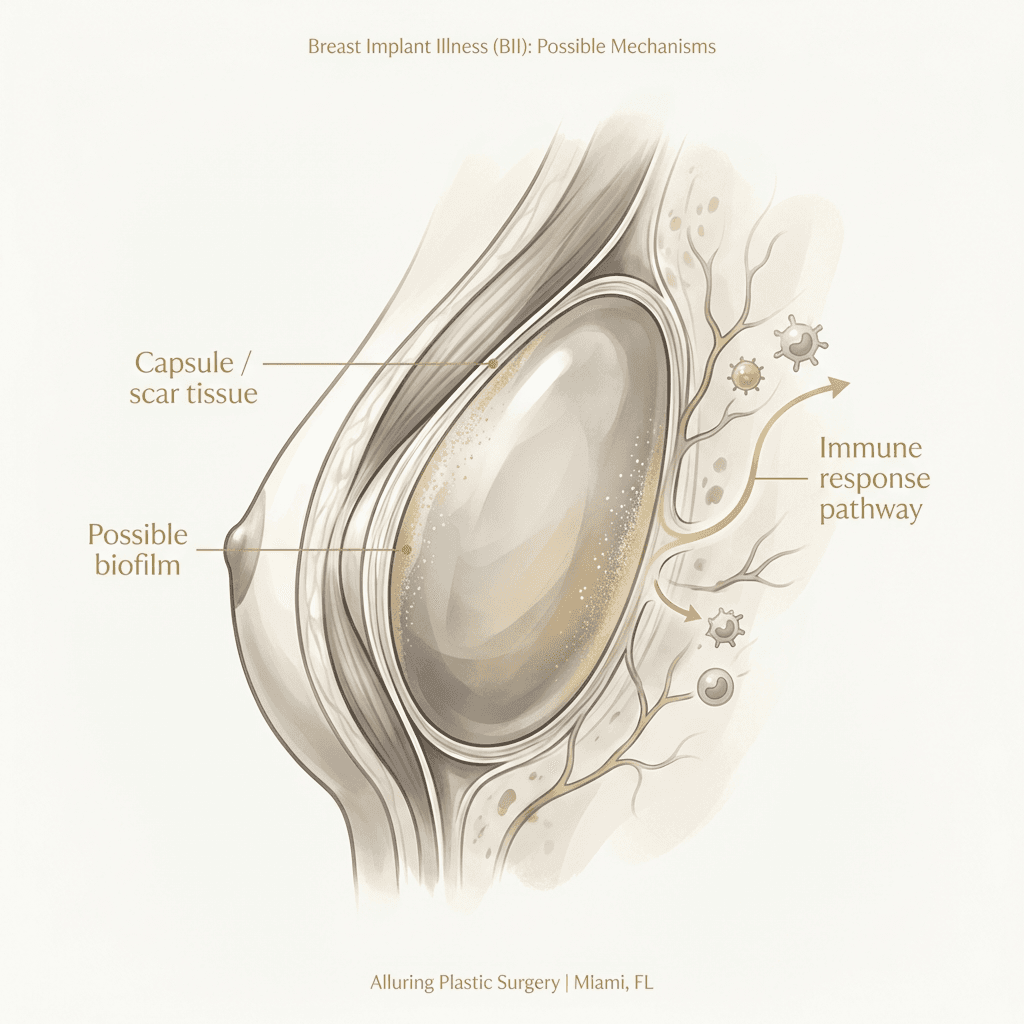
Symptoms can emerge shortly after surgery or decades later. This unpredictability prompts many women to seek explantation for relief. The condition doesn't discriminate based on implant type—both saline and silicone implants have been associated with reported symptoms.
Research published in Plastic and Reconstructive Surgery Global Open suggests heightened risks for certain conditions in implant patients. Studies show elevated risk for rheumatoid arthritis (risk ratio 1.38) and scleroderma (SIR 7.0) compared to controls, as noted in this PMC immunological study. This highlights why you should consider your health history in consultations.
Board-certified surgeons like Dr. Victoria Karlinsky emphasize thorough pre-op evaluations. These assessments help align procedures with individual wellness goals. Understanding your family history of autoimmune conditions is particularly important.
While BII sparks debate in the medical community, patient experiences highlight the need for ongoing monitoring. Many find symptom improvement post-removal, fueling calls for more research. At Alluring Plastic Surgery, we prioritize open discussions to address these concerns head-on.
What Are the Common Symptoms of Breast Implant Illness?
Women describing breast implant illness often share overlapping symptoms that disrupt daily life. These range from physical discomfort to cognitive challenges. Reports tracked via the FDA's Manufacturer and User Facility Device Experience (MAUDE) database reveal patterns worth noting before pursuing breast augmentation.
Physical Symptoms
Fatigue stands out as the most commonly reported symptom. It appears in 41.1% of cases and is often described as unrelenting exhaustion that doesn't improve with rest. Joint and muscle pain affects 30.9% of those reporting symptoms. Some women note new-onset arthritis-like issues that weren't present before their augmentation.
Hair loss and skin rashes appear in 19.6% of reports. These are often accompanied by digestive problems and general weakness. The physical symptoms can significantly impact quality of life and daily functioning.
Cognitive and Emotional Symptoms
Brain fog and cognitive difficulties appear in 22.5% of reports. Women describe impacts on memory, focus, and mental clarity. Anxiety and depression affect 22.9% of those reporting symptoms. Sleep disturbances frequently accompany these emotional challenges.
Important Considerations
These symptoms vary widely among individuals. Not everyone with implants experiences them. Individual factors like genetics and pre-existing health conditions play a role. Discussing family autoimmune history with your surgeon can guide safer choices.
The timing of symptom onset also varies considerably. Some women notice issues within months of surgery. Others don't experience symptoms until years or even decades later. This variability makes BII particularly challenging to predict or prevent entirely.
What Are the Long-Term Risks of Breast Implants?
Breast implant long term risks warrant careful consideration for lasting confidence in your enhancement. While most women enjoy decades of satisfaction, complications can arise over time. Understanding these risks helps you make informed decisions and know what to watch for.
Capsular Contracture in Breast Augmentation
Capsular contracture occurs when scar tissue tightens around the implant. According to the American Society of Plastic Surgeons, this affects about 1 in 6 women with breast implants. Rates tend to be higher with smooth implants or subglandular placement.
Symptoms of capsular contracture include firmness around the implant, pain or discomfort, and visible distortion of breast shape. The condition is graded on a scale from I to IV.
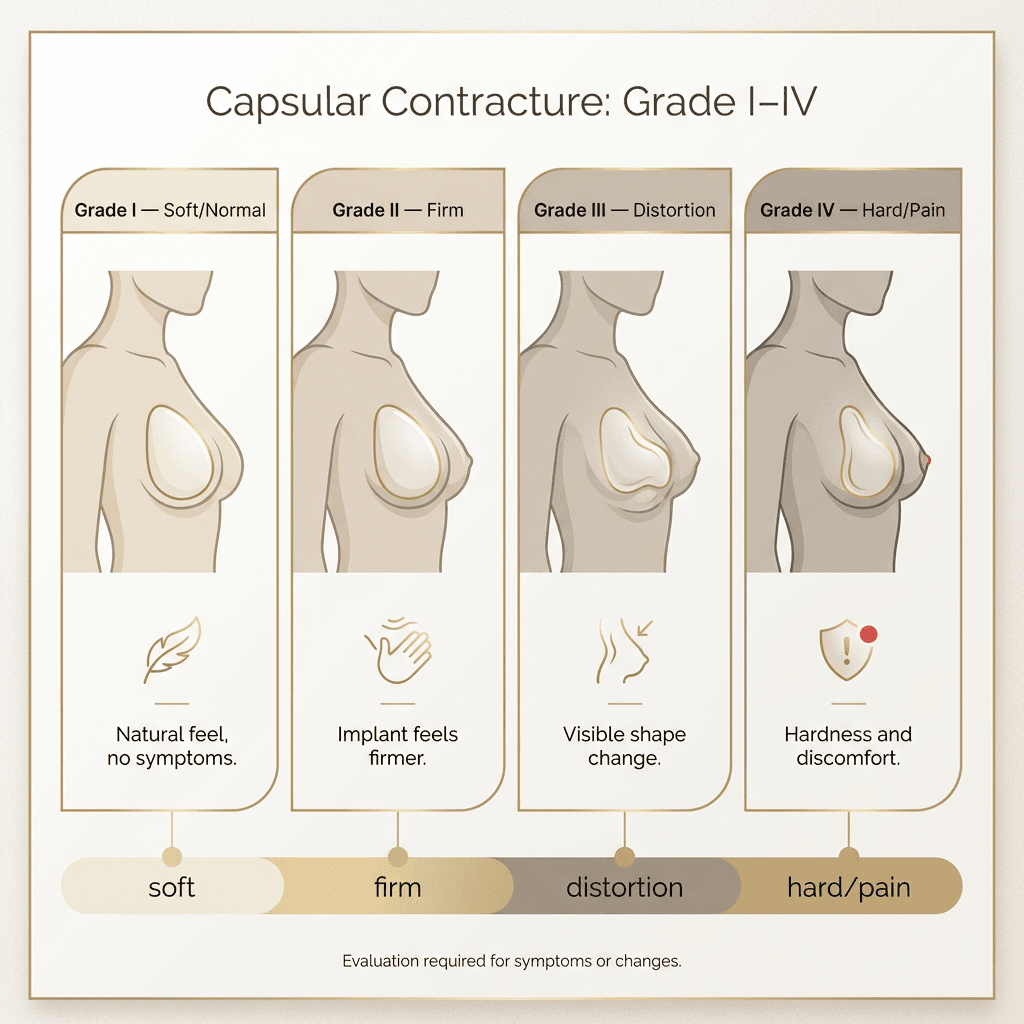
Grade I involves normal softness, while Grade IV causes severe hardness and pain. Grades III and IV typically require surgical revision.
Several factors influence your risk. Implant placement matters—submuscular positioning tends to have lower rates. Surgical technique, including the use of sterile insertion methods, also plays a role. Post-operative care like prescribed massages may help prevent excessive scar tissue formation.
Understanding Breast Implant Rupture Risks
Breast implant rupture risks increase with implant age. Modern FDA-approved silicone models show less than 1% rupture rates at 5 years. However, cumulative rates reach 10-24% by 10 years, according to FDA implant risk data.
Saline and silicone ruptures present differently. Saline ruptures deflate visibly, making them easy to detect. The body safely absorbs the saline solution. Silicone ruptures may be "silent," meaning they don't cause obvious changes. This necessitates MRI screening every 2-3 years starting 5 years after placement.
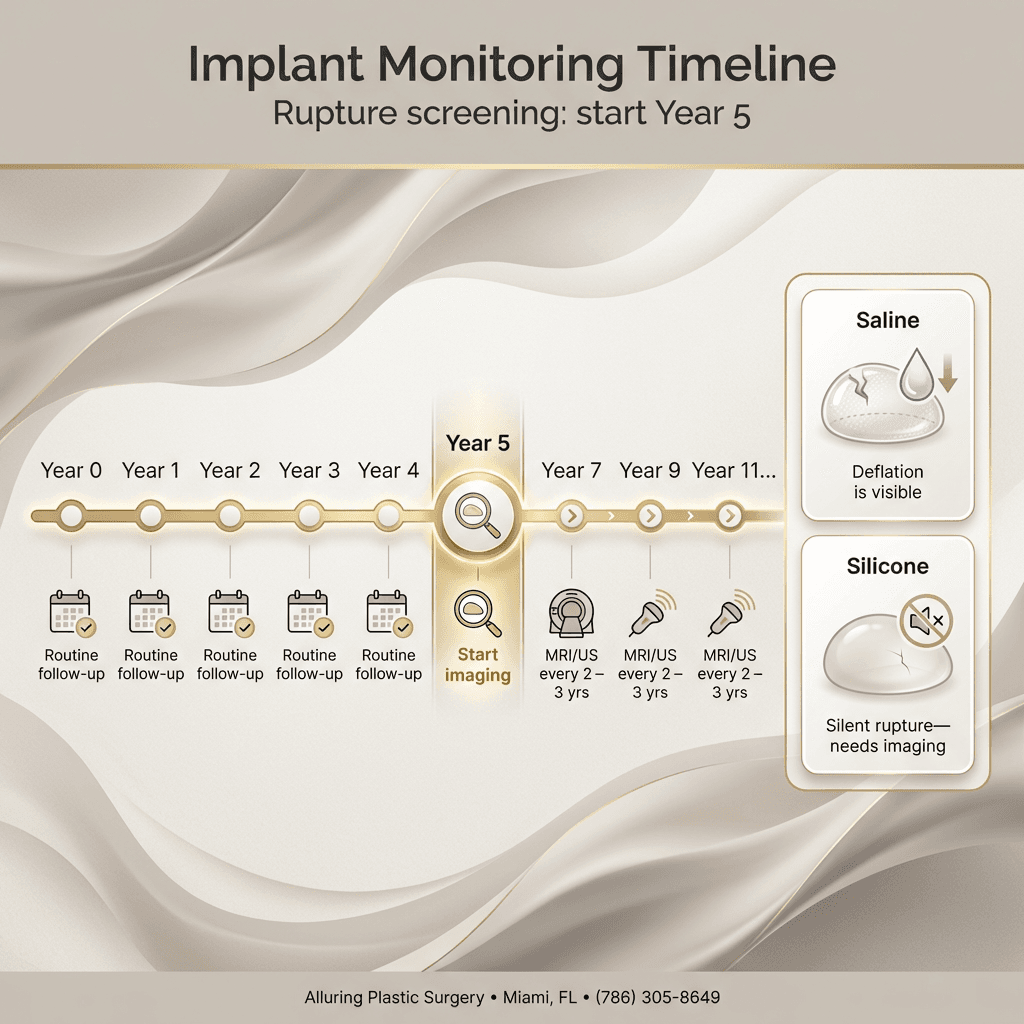
Signs of potential rupture include changes in breast size or shape, hardness, swelling, or pain. If you notice any of these changes, consult your surgeon promptly for evaluation.
BIA-ALCL and Other Rare Complications
BIA-ALCL (breast implant-associated anaplastic large cell lymphoma) is a rare cancer linked primarily to textured implants. According to FDA medical device reports, swelling appears in approximately 80% of cases. While rare, this condition requires awareness and monitoring.
Early detection is key for BIA-ALCL. Symptoms typically include persistent swelling or fluid collection around the implant. If caught early, treatment outcomes are generally favorable. Most cases are treated successfully with implant removal and capsulectomy.
Learn more about implant safety in our breast augmentation safety guide.
Evidence and Statistics from FDA and Studies
Solid data from trusted sources sheds light on breast implant illness and related risks. This information empowers informed decisions. The FDA analyzes thousands of reports annually, prioritizing transparency without overstating causation.
Key Findings on BII Symptoms
The FDA MAUDE database tracks symptom reports from women with breast implants. Fatigue leads at 41.1%, followed by joint and muscle issues at 30.9%. Cognitive difficulties appear in 22.5% of reports. Anxiety and depression affect 22.9%. Hair loss and rashes round out common complaints at 19.6%.
These statistics represent reported cases, not overall incidence rates. Many women with implants never experience these symptoms. The data helps identify patterns but doesn't establish definitive causation.
Capsular Contracture Research
Studies consistently show that implant placement affects capsular contracture rates. Submuscular placement tends to result in lower rates compared to subglandular positioning. Surgical technique and sterile handling also influence outcomes.
Autoimmune Associations
Research suggests potential associations between breast implants and certain autoimmune conditions. Studies note elevated risk ratios for rheumatoid arthritis (1.38) and Sjögren's syndrome (1.9). Scleroderma shows a standardized incidence ratio of 7.0 in some studies.
These associations don't prove causation. Individual risk factors vary considerably. Pre-existing autoimmune tendencies may play a role in who develops symptoms.
How Can You Minimize Breast Augmentation Complications?
Proactive steps can significantly minimize breast augmentation complications. Your choices before, during, and after surgery all matter. Board-certified expertise forms the foundation, paired with proper technique and diligent aftercare.
Choosing the Right Surgeon
Select a board-certified plastic surgeon with proven experience and low complication rates. Verify credentials through the American Board of Plastic Surgery. Review before-and-after photos and patient testimonials. Ask about their specific experience with the procedure you want.
During your consultation, discuss the surgeon's complication rates openly. A reputable surgeon will share this information transparently. They should also explain their approach to preventing and managing complications.
Making Informed Implant Choices
Your implant selection matters for long-term outcomes. Discuss the pros and cons of different implant types with your surgeon. Consider factors like placement (submuscular vs. subglandular) and surface texture.
Submuscular placement may help reduce capsular contracture risk. The type of implant surface also influences outcomes. Your surgeon can recommend the best options based on your anatomy and goals.
Surgical Technique Considerations
Modern techniques like no-touch insertion using a Keller Funnel reduce contamination risk.
This sterile approach minimizes bacterial exposure during implant placement. Ask your surgeon about their insertion techniques.
Proper pocket creation and implant sizing also matter. An experienced surgeon ensures appropriate fit and positioning. This reduces stress on surrounding tissues and promotes better healing.
Post-Operative Care Protocol
Follow all post-op protocols carefully. Wear a supportive bra 24/7 for the recommended period, typically about 2 months. Perform prescribed massages as directed by your surgeon. These help maintain implant position and may reduce capsular contracture risk.
Attend all follow-up appointments for early detection of any issues. Report any unusual symptoms promptly. Early intervention often leads to better outcomes.
Explore our breast augmentation recovery guide for tailored tips. These measures, backed by clinical experience, promote smoother transformations.
What Should You Do If You Suspect Breast Implant Illness?
Suspecting breast implant illness can feel overwhelming. However, prompt action helps restore clarity. Start by documenting your symptoms and their timeline. Then consult your original surgeon or a specialist familiar with BII.
Initial Evaluation Steps
Schedule a comprehensive evaluation with your surgeon. Discuss your complete medical history and symptom timeline. Your doctor may recommend imaging studies like MRI or ultrasound. Blood work can check for autoimmune markers and rule out other conditions.
Keep a detailed symptom journal before your appointment. Note when symptoms started, their severity, and any patterns you've noticed. This information helps your medical team assess your situation accurately.
Considering Explantation
Many women report relief after implant removal. Explantation often includes capsulectomy, which removes the surrounding scar tissue. This comprehensive approach may improve outcomes for those experiencing BII symptoms.
Discuss realistic expectations with your surgeon. Recovery typically takes 4-6 weeks for basic healing. Systemic symptom improvement may take longer and varies by individual. Some women notice changes quickly, while others experience gradual improvement over months.
Ongoing Monitoring and Support
Don't ignore changes in how you feel. Supportive care like anti-inflammatories may help manage symptoms while you evaluate options. Work with your medical team to develop a personalized plan.
At Alluring Plastic Surgery, our team guides patients through these decisions with compassion and expertise. We believe in providing honest information so you can make the best choice for your health.
Miami-Specific Considerations for Breast Augmentation
Miami's vibrant lifestyle pairs perfectly with breast augmentation. However, South Florida's humid climate influences healing. Optimal care minimizes moisture-related irritation on incisions and promotes better outcomes.
Climate Considerations for Recovery
Miami's heat and humidity require extra attention during recovery. Keep incision sites clean and dry. Use fans or air conditioning to stay cool. Avoid excessive sweating during the initial healing period.
Stay well-hydrated, especially during warmer months. Proper hydration supports healing and overall wellness. Consider scheduling your procedure during cooler months if possible.
Local Advantages
Miami offers access to highly qualified board-certified surgeons experienced in breast augmentation. Look for surgeons operating in AAAASF-accredited facilities for added safety assurance. Many practices offer bilingual support for international patients.
Lymphatic drainage massage, popular in Miami, may help reduce swelling during recovery. Ask your surgeon about incorporating this into your aftercare plan.
Our breast augmentation page details Miami-tailored treatment plans. For patients traveling for surgery, we offer fly-in consultations to make the process convenient.
Your Investment in Breast Enhancement
Your breast augmentation investment reflects your unique goals. Several factors influence the overall cost. These include implant type, surgical technique, anesthesia, and procedure complexity. Combined procedures may affect pricing as well.
Personalized quotes are provided after your consultation. This ensures accurate pricing based on your specific treatment plan.
Flexible Financing Options
Alluring Plastic Surgery makes quality care accessible through trusted financing partners:
- Cherry: Plans starting at 0% APR (credit approval required)
- CareCredit: Promotional periods designed for healthcare expenses
- United Credit: Customized payment solutions
We'll craft a financing plan that fits your budget during your consultation. Learn more about financing options.
Frequently Asked Questions
What are the long-term risks of breast implant illness?
Breast implant illness long-term risks include persistent fatigue, joint pain, and potential autoimmune flares. Studies note elevated risks for rheumatoid arthritis (RR 1.38) and scleroderma in some implant patients. Regular monitoring helps detect issues early. Discuss your personal risk factors with our board-certified team for a thorough assessment.
How can I differentiate breast implant illness from other autoimmune disorders?
BII symptoms like fatigue and brain fog overlap with autoimmune conditions. However, timing relative to implant placement and symptom relief after explantation often distinguish BII. A rheumatology evaluation with comprehensive bloodwork can help clarify your diagnosis. Schedule a consultation to explore your specific symptoms.
Are there preventive measures to avoid breast implant illness?
While not fully preventable, certain choices may reduce your risk. Choose a board-certified surgeon with proven experience. Select modern implants and follow diligent aftercare protocols. Submuscular placement and prescribed massages may lower capsular contracture risk. Pre-op health screening is essential. Our Miami experts tailor plans to your wellness goals.
How common is breast implant-associated anaplastic large cell lymphoma (BIA-ALCL)?
BIA-ALCL is rare and primarily associated with textured implants. According to FDA data, swelling appears in about 80% of cases. Overall incidence remains very low globally. If you're concerned, discuss smooth implant options with your surgeon. Dr. Karlinsky can provide guidance aligned with the latest clinical recommendations.
What are the most effective treatments for breast implant illness?
Explantation with capsulectomy offers relief for many women experiencing BII symptoms. Supportive therapies may aid recovery during and after the process. Individual outcomes vary based on many factors. Our team provides holistic guidance throughout your journey. Book a free Miami consultation to discuss your options.
What factors increase breast implant rupture risks?
Implant age, trauma, and under-filling raise breast implant rupture risks. Rates climb to 10-24% by 10 years for older implants. Modern implants perform better, with less than 1% rupture at 5 years. MRI screening every 2-3 years after year 5 helps detect silent ruptures early.
Understanding breast implant illness and associated risks equips you for a confident journey toward enhancement. With evidence-based strategies—from surgeon selection to vigilant aftercare—you can prioritize safety while embracing transformation. At Alluring Plastic Surgery in Miami, Dr. Victoria Karlinsky leads our team in an AAAASF-accredited facility with a 4.9 rating.
Ready for personalized guidance? Schedule your free consultation or call (786) 305-8649 today. Your results await.
Not Sure Which Procedure Is Right for You?
Take our free 2-minute quiz to get personalized recommendations based on your goals, lifestyle, and budget.
Take the QuizStart Your Journey Today
Leave your name and phone number. We'll call you within 24 hours to discuss your goals.
Or call us directly
+1 (786) 305-8649Related Articles
Continue reading with these related posts

When Can I Sleep Without a Bra After Breast Augmentation?
Many patients wonder when they can sleep without a bra after Breast Augmentation This typically occurs six to eight weeks...

Breast Implants Drop and Fluff: Timeline & Tips
Learn when breast implants drop and fluff with our detailed recovery timeline. From initial swelling to full settling in 2-3 months. Speed up healing with massage, support bras & Miami humidity tips.
When Can I Sleep Without a Bra After Breast Reduction?
Many patients wonder when they can sleep without a bra after Breast Reduction While many breast reduction patients can safely...
How Long After Breast Augmentation Can I Drive?
Following Breast Augmentation we recommend waiting at least one week before resuming driving, though your individual...

Exercises After Tummy Tuck Miami: Safe Timeline
Discover safe exercises after tummy tuck in Miami. Follow our week-by-week recovery timeline, humid climate tips for moms, and when to resume workouts. Consult today!

Mommy Makeover Recovery Signs: Week-by-Week Guide
Learn mommy makeover recovery signs week-by-week: spot first improvements like reduced swelling, manage Miami humidity, and identify red flags for faster healing. Start your journey!
Related Procedures
Explore the procedures discussed in this article

Breast Augmentation Miami
Achieve the fuller, more balanced look you desire with natural-looking breast enhancement. Silicone, saline, and fat transfer options with flexible financing.

Breast Lift Miami
Lift and reshape your breasts to restore a more youthful, perky appearance without implants using advanced mastopexy techniques.

Breast Reduction Miami
Reduce discomfort and achieve better proportions with breast reduction surgery that relieves chronic pain and enhances your quality of life.
More Breast Augmentation Articles

Breast Implant Size Guide: Perfect CC Chart
Discover the perfect breast implant size guide: CC charts, profiles, and tips for natural results. Learn sizing factors, popular sizes, and consultation advice for your ideal augmentation.
Breast Implants Drop and Fluff: Timeline & Tips
Learn when breast implants drop and fluff with our detailed recovery timeline. From initial swelling to full settling in 2-3 months. Speed up healing with massage, support bras & Miami humidity tips.

Breast Augmentation Pain Management: First Week Tips
Master breast augmentation pain management in the first week: meds, ice packs, wound care, complication signs, and Miami recovery tips. Ease pain and heal faster—discover how!